Vietnam Craft Villages: A Journey Through The Rich Cultural Heritage

1. Why craft villages hold an essential place in Vietnamese culture

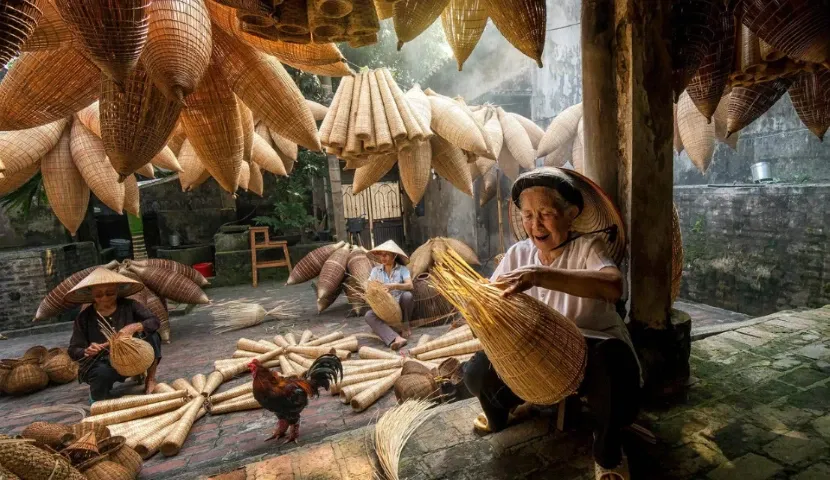
Visiting Vietnam’s craft villages allows you to discover an authentic side of the local culture. For centuries, these villages have sustained traditional trades and a unique expertise transmitted through generations. Artisans still craft many items by hand: ceramicssilkincenselacquerwareconical hats, or traditional fabrics, reflecting the wealth of artisan trades closely linked to the history and cultural identity of Vietnam. These activities also play a major role in the local economy by supporting artisans and promoting handmade products.

According to recent statistics, in 2026, Vietnam has more than 5,400 craft villages, including approximately 2,000 traditional craft villages. Among them, 57 artisan trades have been recognised as National Intangible Cultural Heritage. These figures illustrate the importance of handicrafts in Vietnamese culture and the richness of the skills passed down through the ages.

Exploring these villages also allows you to meet the artisans, observe the different stages of production, and sometimes even try certain traditional techniques yourself. It is a unique cultural experience for travellers wishing to better understand the cultural heritage and traditions of Vietnam.

2. Famous traditional craft villages in Vietnam

2.1. Bat Trang Pottery Village (Hanoi)

Located on the banks of the Red River, about 15 kilometres from the centre of Hanoi, Bat Trang village is one of the most famous craft villages in Vietnam. For over 700 years, this village has been renowned for its traditional Vietnamese pottery, made using skills passed down from generation to generation. Artisans produce a wide variety of ceramic objects: bowls, vases, teapots, statues, and decorative items. When visiting Bat Trang, travellers can observe the manufacturing stages and even participate in workshops to create their own piece. This historic craft village is now an essential spot to discover the authenticity of Vietnamese craftsmanship.

Da Nang International Fireworks Festival (DIFF) 2026 – Travel Guide

1. Introduction of DIFF

The history of DIFF

First held in 2008, the festival has evolved into a grand international competition featuring teams from countries such as the USA, France, Italy, China, and Japan. Set along the iconic Han River, DIFF has played a significant role in transforming Da Nang into a leading cultural and tourism destination in Southeast Asia.

Why DIFF 2026 is a must-visit event?

The Da Nang International Fireworks Festival (DIFF) 2026 will take place from May 30th to July 11th, 2026, under the theme “Da Nang – United Horizons“. DIFF Da Nang 2026 will be as long as in the 2025. This year’s festival reflects a “new Da Nang” after its merger with Quang Nam province, highlighting a harmonious blend of nature, culture, architecture, and tourism, while embracing a modern spirit that connects heritage, preserves identity, and looks toward future development. It will feature six nights of dazzling fireworks displays with ten teams from around the world competing for the grand title.

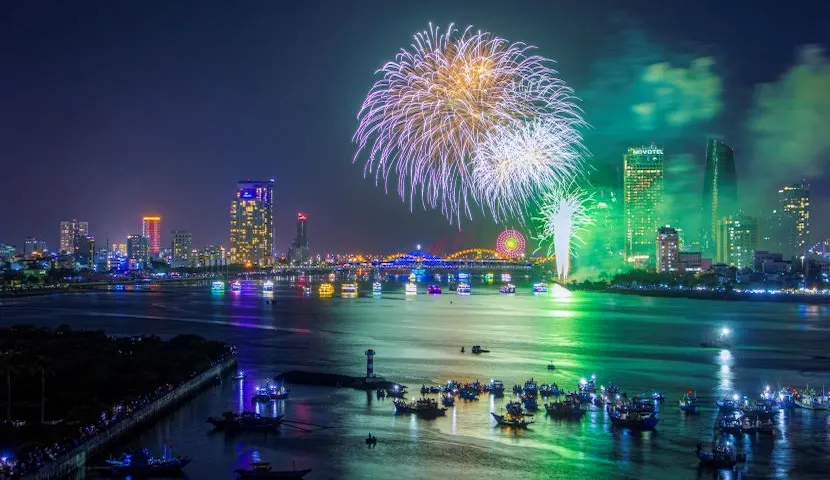
The world-class fireworks performances from top pyrotechnic teams make this festival a spectacular event. Visitors can enjoy stunning views along the Han River, creating a magical experience like no other. Alongside the breathtaking displays, there are vibrant cultural activities and events happening throughout Da Nang, enhancing the overall atmosphere. Moreover, DIFF 2026 is a good time to explore Da Nang, a city known for its pristine beaches, delicious food, and friendly locals.

2. DIFF 2026 schedule & locations

The Da Nang International Fireworks Festival (DIFF) 2026 will take place from June to mid-July, featuring six spectacular fireworks nights.

DIFF 2026 schedule

Each team will have 20 minutes to present their fireworks display, aligning with the theme of the night.

Opening night: May 30, 2026

  • Theme: “Nature”
  • Teams: Vietnam 1 vs. China

Night 2: June 6, 2026

  • Theme: “Heritage”
  • Teams: Vietnam 2 vs. France

Night 3: June 13, 2026

  • Theme: “Culture”
  • Teams:Japan vs. Italy

Night 4: June 20, 2026

  • Theme: “Creativity”
  • Teams: Germany vs. Macau, China

Night 5: June 27, 2026

  • Theme: “Vision”
  • Teams: Australia vs. Portugal

Grand Finale: July 11, 2026

  • Theme: “Da Nang – United Horizon”
  • Teams: Two best teams from previous rounds competing for the championship.

What to do in Ho Chi Minh City

1. War Remnants Museum: Enter with A Pouch of Salt

Better known as the War Remnants Museum, this public space pays homage to the Vietnam War and the first Indochina War. Visitors will enter a somber and historic mood as they move through the War Remnants Museum, with exhibits tracing both the artillery, machinery and effects of the war through photographs, real war aircrafts on display and models that mimic the conditions of prisoners of war. While it certainly attracts half a million visitors each year, visitors should approach exhibits with a sense of skepticism; the horrors of war are real but, at the War Remnants Museum, fact is often exaggerated and serves a greater purpose as propaganda by local government.

2. Presidential Palace: A Perfectly Preserved Palace

Iconic and grand, the Presidential Palace goes by several other names such as Independence Palace or Reunification Palace. Over the years, this has been a significant site of major coups (attacks that have left entire wings destroyed) and a seat for major occupying powers as well as local ruling government. After multiple bombing attempts and a major restoration project in 1962, the end of the Vietnam War in 1975 brought both factions of the country together. Today, the Palace’s conference hall, basement of war rooms and tunnels, reception area and presidential living quarters are open for public tours.

3. Củ Chi tunnels: Find Your Footing in the Tunnels

So much of present-day Ho Chi Minh City is a preservation and a story from the War. The event caused a significant shift in the country’s history and the Củ Chi tunnels, as they’re better known, are a part of that tarried past. The underground tunnels crisscross beneath the city in a vast network that was used to support military combatants of the North Vietnamese fighters and move them through the country without them being detected. When you snake through the maze of tunnels, keep in mind that they’re now widened and lengthened for visitors.

4. Saigon Central Post Office: From Vietnam, With Love

It may only be the “Saigon Central Post Office” but don’t be fooled by the moniker; the building is as majestic and memorable as the Independence Palace and the architecture alone will capture your imagination. Inside, there are plenty of small, open-air shops and kiosks selling souvenirs and small collectibles like stamps and coins. Recognizing the that building is also a draw for visitors, the city has placed beautiful, hand-painted maps depicting the history and culture of Saigon around the interior.

5. Bitexco Financial Tower: Soaring High Above Ho Chi Minh City

In Ho Chi Minh City, a city of French colonial architecture and Vietnamese culture, the Bitexco Financial Tower stands out like a mark of the modern age. At 861 feet tall, it’s a shining promise of progress and commerce in the historical city that has been the flashpoint of many previous struggles. The skyscraper features stunning views of the entire hazy city (and beyond!) that visitors can capture from the Saigon Skydeck.